Custom website or template: which is right for you?
Headless vs CMS and template websites compared: cost, speed, security and SEO, so you know which approach is right for your business.
Read more
You may have heard the term "headless website" thrown around by a developer or in an online quote, and wondered what it actually means. It sounds more technical than it is. Here is a plain-English explainer of what a headless website really is, how it is different from a normal website design, and why it has become the modern standard for businesses that want a fast, secure, well-built site.
Most websites you have interacted with, whether built on WordPress, Wix or Squarespace, are built on a content management system, or CMS. A CMS bundles two things together in one package: a dashboard you log into to manage your content, and the actual page your visitors see. A headless website removes that bundled CMS entirely. Instead, the whole site is written directly in code, purpose-built for that business, with no CMS dashboard, no theme and no plugin library sitting underneath it. There is no separate "back end" for content management the way a traditional CMS has one, which is exactly where the name comes from: there is no CMS "head" attached to the front of the site. It is a slightly odd bit of tech naming, but once you picture a CMS as a content system with a website "head" bolted onto it, a headless site is simply what is left once that head is removed and the site is built directly instead.
Rather than a CMS assembling a page on the fly from a database, a theme and a stack of plugins every time someone visits, a headless site is built as clean, purpose-built code from the start. Every page, image and piece of content is coded directly into the build, so there is no CMS layer translating and reassembling everything in the background. This is the core work involved in proper website development: writing the actual code the site runs on, rather than configuring someone else's platform to approximate what you need. It also tends to be hosted differently. Rather than one server having to build every page from scratch on every visit, a headless site is generally served in a way that gets pages to visitors as quickly as possible, wherever they happen to be browsing from.
Page speed is one of the biggest, most measurable differences. A CMS-driven page has to load a theme, check for plugin conflicts and often make several extra requests before it can even start rendering for the visitor. A headless site skips all of that, because there is nothing to load beyond exactly what that page needs. Faster pages keep visitors on your site for longer, which matters directly for how many enquiries or sales a website actually converts, not just how it feels to browse. Google also measures page speed directly through what it calls Core Web Vitals, a set of metrics covering how quickly a page loads and becomes usable, and factors that score into search rankings. A slow, plugin-heavy site is working against itself twice over: losing visitors on the page, and losing visibility in search before they even arrive.
Most website security problems come from somewhere very specific: outdated plugins, vulnerable themes and CMS login pages left exposed to the internet. A headless website removes that entire attack surface. There is no plugin library to patch, no CMS login for someone to try to break into, and no theme code with a known vulnerability waiting to be exploited. Fewer moving parts means fewer ways in for anyone looking to cause trouble. It also means less ongoing maintenance, since there is no growing list of plugins and themes that each need to be checked and updated every time a new vulnerability is discovered somewhere in that ecosystem.
Search engines, and increasingly the AI tools people now use to search, both reward clean, fast, well-structured code. A headless build gives you a genuine head start here for a few reasons:
This is the one genuine trade-off worth understanding. Because there is no separate CMS behind a headless site, there is no dashboard for you to log into and edit text or swap photos yourself. Any changes go through whoever built the site rather than a back end on your end. For a business that rarely changes its content, that is barely noticeable day to day. For a business that wants to make frequent small edits itself without calling anyone, it is a genuine factor to weigh up before choosing this approach.
Realistically, most local businesses fall into the group headless suits well: a site that needs to load fast, stay secure, represent the business properly and be simple to search for, without constant day-to-day editing. Businesses that genuinely need to publish new content themselves multiple times a week, like a busy news outlet or blog, are the main case where a traditional CMS with a self-serve dashboard can still make more sense. Outside of that, the speed, security and SEO benefits of going headless are hard to argue with, especially for a local business whose website mainly needs to load quickly, present the business well, and keep working reliably in the background while you get on with running things.
If you are weighing up a headless build for your own business, our website design and website development teams build every site this way and are always happy to talk it through honestly, no pressure and no sales pitch either way.
More local know-how to help you get online and get found.
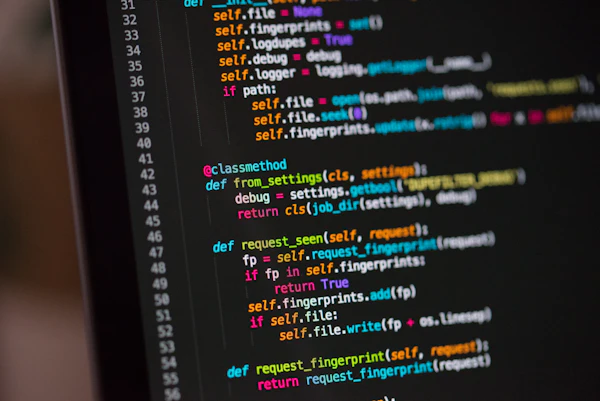
Headless vs CMS and template websites compared: cost, speed, security and SEO, so you know which approach is right for your business.
Read more
What a Google Business Profile is, how the map pack and “near me” results work, and why it matters for every local business.
Read more
Tell us a little about your business and we will get back to you within one business day. No pressure, no jargon, just a friendly local crew ready to help you grow.
cultiv8digitalagency (at) gmail.com